
Buy Twilio Accounts
Are you looking to boost your communication game with Twilio Accounts? Whether you’re a developer, business owner, or someone new to cloud communications, understanding how Twilio Accounts work can open doors to powerful messaging, voice, and video tools. Imagine sending texts, making calls, or building apps that connect you directly to your audience—all with just a few clicks. You’ll discover exactly what Twilio Accounts are, how they work, and how you can use them to transform your communication strategy. Ready to unlock the full potential of Twilio? Let’s dive in.
Creating A Twilio Account
Creating a Twilio account is the first step to using Twilio’s communication services. It is simple and fast. Anyone can do it with just a few clicks. This guide explains how to set up your account in easy steps.
Creating Your Twilio Account
Go to the Twilio website. Look for the “Sign Up” button. Click on it to start the process. You will see a form to fill out.
Filling In Your Details
Enter your full name and email address. Choose a strong password. Make sure your password is easy to remember but hard to guess.
Verifying Your Email
Check your email inbox after submitting the form. Twilio sends a verification email. Open it and click the link to confirm your address.
Providing Your Phone Number
Twilio asks for a phone number for verification. Enter a valid number where you can receive a text message. Type the code sent to your phone.
Selecting Your Use Case
Pick the reason you want to use Twilio Accounts. This helps Twilio customize your experience. Choose from options like business, personal, or learning.

Navigating The Twilio Console
The Twilio Console is the central place to manage your Twilio account. It offers tools and settings to control your communications. The console helps you track usage, configure services, and access support.
Its clear layout makes it easy to find what you need quickly. Even beginners can navigate without confusion. Understanding the console is key to using Twilio effectively.
Dashboard Overview
The dashboard gives a snapshot of your account status. It shows your balance, recent activity, and alerts. You can check your message and call usage here. The dashboard updates in real time, keeping you informed.
Managing Phone Numbers
Phone numbers are essential for sending and receiving messages. The console allows you to buy, configure, and release numbers. You can set voice and messaging options easily. It also shows the status and capabilities of each number.
Accessing Api Keys
API keys connect your apps to Twilio services. The console helps you create and manage these keys safely. You can generate new keys or revoke old ones. Keeping keys secure protects your account from misuse.
Viewing Usage And Billing
Tracking your usage helps control costs. The console provides detailed reports on calls and messages. You can see daily, weekly, or monthly usage data. Billing information is clear and simple to read.
Choosing The Right Twilio Plan
Choosing the right Twilio plan is important for your business success. Each plan offers different features and costs. Understanding what your needs are helps you pick the best option. The right plan saves money and improves your app’s performance.
Assess Your Communication Needs
Think about how you want to use Twilio. Do you need voice calls, messaging, or both? Estimate the number of messages or calls you expect each month. This helps you avoid paying for extra features you don’t use.
Compare Pricing Options
Twilio offers pay-as-you-go and monthly plans. Pay-as-you-go works well for low volume. Monthly plans suit larger, steady use. Check costs for each feature you need. This prevents surprises on your bill.
Consider Scalability
Choose a plan that grows with your business. Start small but plan for more users or messages. A flexible plan lets you upgrade easily. It keeps your communication smooth as demand increases.
Look At Support And Extras
Some plans include better customer support. Others offer extra tools like analytics or security. Decide if these extras matter to your project. Good support can save time and avoid problems.
Setting Up Phone Numbers
Setting up phone numbers in your Twilio account is a simple process. It lets you send and receive calls or messages using Twilio’s platform. You can pick numbers from many countries. Each number has unique features like voice, SMS, or fax support.
Choosing the right phone number is key for your project. Twilio offers local, mobile, and toll-free numbers. You can also buy multiple numbers for different uses.
Choosing The Right Phone Number
Start by deciding your needs. Local numbers work well for regional calls. Toll-free numbers are best for customer service. Mobile numbers support SMS and voice. Check which features each number type has.
Buying A Phone Number On Twilio
Log in to your Twilio console. Go to the Phone Numbers section. Search for numbers by country or type. Pick one that fits your needs. Click “Buy” to add it to your account. The price depends on the number type and location.
Configuring Your Phone Number
After purchase, configure your number settings. Set up voice or messaging URLs for your app. These URLs tell Twilio how to handle calls or texts. You can also add fallback URLs for errors. Save your changes to activate them.
Generating Api Credentials
Generating API credentials is a key step in using Twilio services. These credentials allow your app to communicate securely with Twilio. Without them, your app cannot send messages, make calls, or access other features.
Creating API credentials is simple. It helps protect your account and data from unauthorized access. This section explains how to generate these credentials safely and correctly.
First, sign up for a Twilio account on the official website. Use a valid email and choose a strong password. After signing up, verify your email to activate the account.
Once activated, you can log in to the Twilio Console. This is the central place to manage your account and generate API credentials.
Accessing The Api Credentials
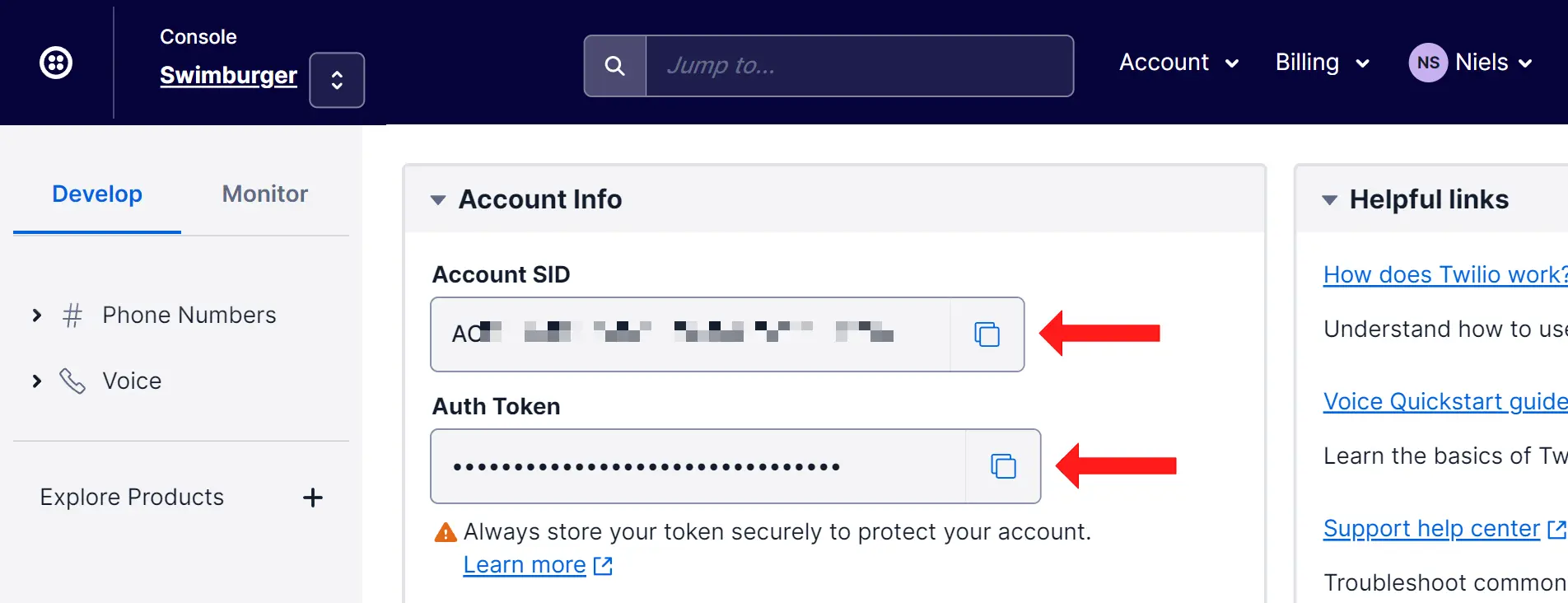
In the Twilio Console, find the “Dashboard” or “Settings” menu. Look for “API Keys & Tokens” or similar options. This section shows your Account SID and Auth Token.
The Account SID is a public identifier for your account. The Auth Token is private and must stay secret. Never share your Auth Token with others.
Generating New Api Keys
For better security, create new API Keys instead of using the main Auth Token. Click “Create New API Key” in the API Keys section. Give your key a clear name for easy tracking.
After creation, save the new API Key SID and Secret. The Secret only shows once. Store it securely, as you cannot retrieve it later.
Configuring Account Security
Configuring account security is vital for protecting your Twilio account. It helps stop unauthorized access and keeps your data safe. Simple steps can greatly improve your account’s safety. This section covers key ways to strengthen your Twilio account security.
Enable Two-factor Authentication (2fa)
Two-Factor Authentication adds a second layer of security. It asks for a code from your phone besides your password. This makes it harder for hackers to access your account. Twilio supports 2FA via apps or SMS codes. Turn on 2FA in your account settings to protect your data.
Use Strong, Unique Passwords
Create passwords that are long and hard to guess. Mix letters, numbers, and symbols. Avoid using the same password for different sites. Change your password regularly to reduce risks. Strong passwords help keep your Twilio account secure.
Set Up Api Key Restrictions
API keys let your apps connect with Twilio services. Restrict these keys by IP address or permissions. This limits what someone can do if they get your keys. Regularly review and delete old or unused keys. Proper API key management reduces security risks.
Monitor Account Activity
Check your account logs often for unusual activity. Look for unknown login attempts or changes in settings. Twilio provides detailed logs for tracking actions. Early detection helps stop potential security breaches fast.
Enabling Two-factor Authentication
Enabling two-factor authentication (2FA) adds a strong layer of security to your Twilio account. It helps protect your account from unauthorized access. With 2FA, you need to provide two forms of identification before logging in. This makes it harder for hackers to break in, even if they know your password.
Setting up 2FA is simple and quick. It uses something you know, like a password, and something you have, such as a phone or authentication app. This extra step ensures your account stays safe and your data remains private.
How To Activate Two-factor Authentication On Twilio
Log into your Twilio Console. Go to the Security Settings page. Find the Two-Factor Authentication section. Choose your preferred 2FA method. Common options include SMS codes or authenticator apps. Follow the instructions to link your device. Confirm the setup by entering the code you receive. Your account will now require 2FA at each login.
Benefits Of Using Two-factor Authentication
2FA reduces the risk of account theft significantly. It blocks access even if your password leaks. It helps protect sensitive information and billing details. Using 2FA builds trust in your account’s security. It also supports compliance with data protection rules.
Common Two-factor Authentication Methods On Twilio
SMS-based codes are sent to your phone. Authenticator apps generate time-limited codes. These apps include Google Authenticator or Authy. Hardware security keys offer a physical login key. Each method has different convenience and security levels. Choose the method that fits your needs best.
Managing User Roles And Permissions
Managing user roles and permissions in Twilio accounts is essential for security and control. It helps define who can access what within your account. Proper management prevents unauthorized actions and keeps your data safe.
Assigning the right roles ensures team members have the correct access. It also simplifies account management and improves collaboration. Understanding roles and permissions is key to efficient Twilio use.
Understanding Twilio User Roles
Twilio offers several predefined roles for users. Each role has specific permissions to access features and settings. Common roles include Administrator, Developer, and Billing Manager. Knowing these roles helps assign access wisely.
Setting Custom Permissions
Twilio allows creating custom roles for unique needs. Customize permissions to limit or expand access. This flexibility lets you tailor user capabilities perfectly. It enhances security by granting only necessary rights.
How To Assign Roles In Twilio
Assigning roles is simple through the Twilio Console. Select the user and choose the appropriate role. Save changes to update permissions immediately. Clear role assignment avoids confusion and mistakes.
Monitoring And Updating Permissions
Regularly review user roles and permissions. Remove access for users who no longer need it. Update roles as project needs change. This practice keeps your account secure and efficient.
Monitoring Account Usage And Billing
Monitoring your Twilio account usage and billing helps control costs and avoid surprises. It shows how much you spend and what services use the most credit. This insight keeps your projects running smoothly and within budget.
Regular checks on usage data reveal trends and help plan future needs. Billing details clarify charges and payments, making it easier to manage expenses.
Usage Dashboard Overview
The usage dashboard displays real-time data of your account activity. It breaks down usage by products, dates, and regions. This view helps spot unusual activity or spikes in usage fast.
Setting Up Alerts And Limits
Alerts notify you when spending nears your budget limits. You can set thresholds for daily or monthly use. This feature prevents unexpected charges and keeps spending under control.
Reviewing Detailed Billing Reports
Billing reports provide a full breakdown of each charge. They show costs for calls, messages, and other services. These reports help verify charges and understand your spending patterns.
Using Api For Automated Monitoring
Twilio’s API allows automated tracking of usage and costs. You can build custom tools to get updates and reports. Automation saves time and ensures constant monitoring without manual checks.
Implementing Ip Access Controls
Implementing IP access controls is a vital step to secure your Twilio account. This method restricts access to your account by allowing only specific IP addresses. It helps prevent unauthorized use and protects your data from attacks.
Setting up IP access controls is simple. It creates a safer environment for your communications and APIs. Let’s explore how to implement these controls effectively.
What Are Ip Access Controls?
IP access controls limit account access to chosen IP addresses. Only devices with these IPs can interact with your Twilio account. This reduces risks from unknown sources and unwanted traffic.
How To Configure Ip Access Controls In Twilio
Log in to your Twilio console to start the setup. Navigate to the security settings and find the IP access controls section. Add the IP addresses you trust. Save changes to activate the restrictions immediately.
Benefits Of Using Ip Access Controls
They block unauthorized access attempts. They reduce the chance of data leaks. They also help maintain compliance with security rules. Your Twilio account becomes more secure and reliable.
Best Practices For Managing Ip Access Controls
Regularly update your trusted IP list. Remove addresses that no longer need access. Monitor access logs for unusual activity. Keep your IP control settings tight and current.
Setting Up Webhooks Securely
Setting up webhooks securely is important for any Twilio account. Webhooks send real-time data from Twilio to your server. This data often includes sensitive information. Poor security can lead to data leaks or fake requests. Protecting your webhooks helps keep your app safe and reliable.
This section explains how to secure your webhooks easily. Simple steps can stop attackers from sending false data. Follow these tips to keep your communication safe.
Verify Twilio Signatures
Twilio adds a signature to each webhook request. This signature proves the request comes from Twilio. Check this signature on your server. Compare it with your Twilio Auth Token and request data. Reject requests with invalid signatures immediately. This step stops fake requests from reaching your app.
Use Https For Webhook Urls
Always use HTTPS URLs for your webhooks. HTTPS encrypts data between Twilio and your server. This prevents attackers from reading or changing data. Many servers support free SSL certificates. Avoid using HTTP, as it exposes your data to risks.
Limit Ip Addresses
Restrict webhook access to Twilio’s IP addresses. Twilio publishes its IP ranges for webhook requests. Configure your firewall or server to accept only these IPs. Blocking other IPs reduces chances of fake requests. This adds an extra layer of security.
Handle Sensitive Data Carefully
Do not store sensitive data longer than needed. Encrypt data in your database and backups. Remove old webhook logs regularly. Protect user privacy and comply with data laws. Secure coding helps prevent data leaks.
Handling Api Keys Safely
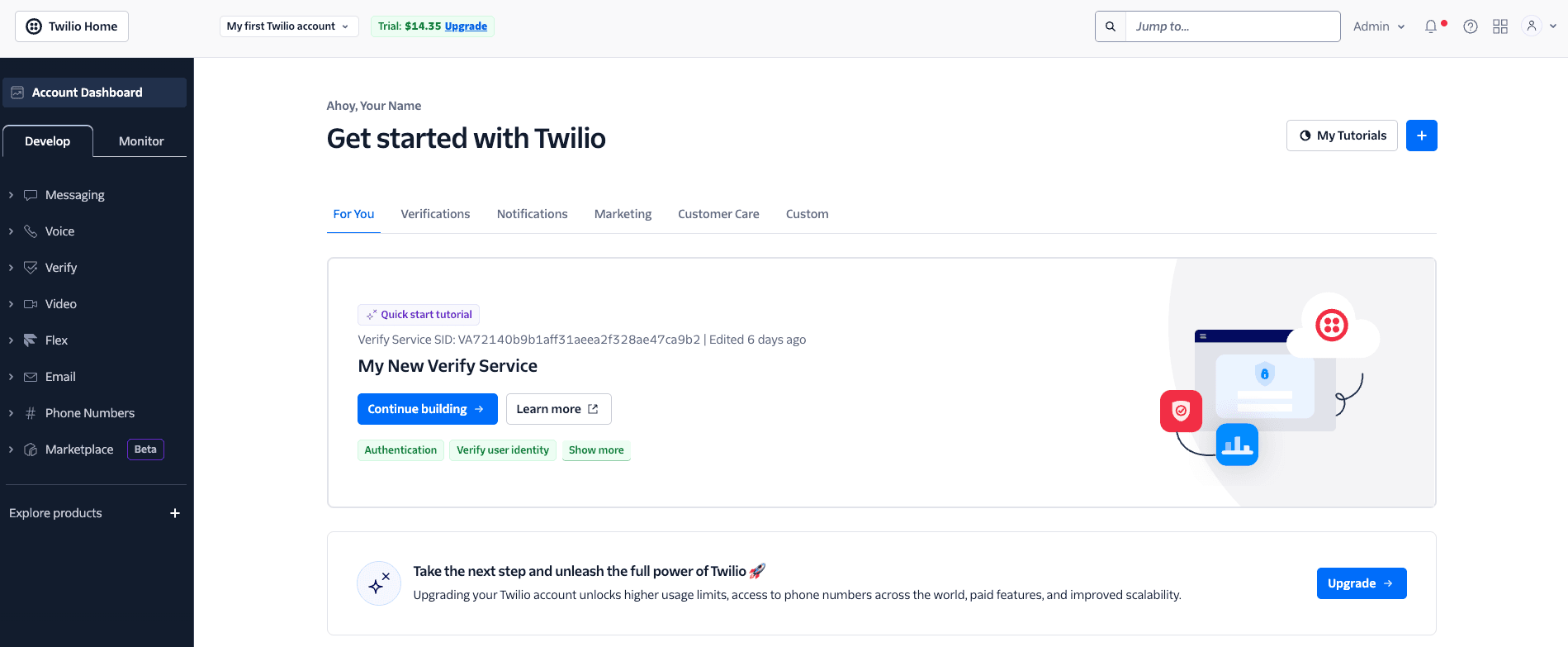
Handling API keys safely is very important for your Twilio account security. These keys allow access to your account and services. If someone else gets your keys, they can misuse your account. Protecting these keys prevents data theft and unexpected charges.
Store API keys securely and avoid sharing them in public places. Use environment variables or secure vaults to keep keys hidden from code. Regularly change your API keys to reduce risk. Always limit permissions to only what is necessary for your app.
Keep Api Keys Out Of Public Code
Never put your API keys in public code repositories. This includes sites like GitHub or Bitbucket. Public exposure makes it easy for hackers to find and use your keys. Instead, use environment variables or secure storage tools.
Use Environment Variables For Storage
Environment variables keep your keys separate from your code. This method hides keys from anyone who views the source code. It also makes it easier to update keys without changing the code.
Rotate Api Keys Regularly
Changing your API keys often lowers security risks. If a key is leaked, it will stop working quickly. Set a schedule to rotate keys every few months. Remove old or unused keys to keep your account safe.
Limit Api Key Permissions
Assign only the permissions your app needs. Avoid giving full access unless it is necessary. Limited permissions reduce damage if a key is compromised. Use Twilio’s role-based access to control key capabilities.
Automating Account Backups
Automating account backups for Twilio accounts saves time and protects important data. Regular backups avoid data loss during unexpected errors or changes. Automation makes the backup process easy and consistent without manual effort.
Backup automation helps maintain data security and keeps your Twilio settings safe. It allows quick recovery from mistakes or system failures. This process supports smooth business communication operations.
Creating Automated Backup Scripts
Use simple scripts to copy your Twilio account data automatically. Scripts can run at set times daily or weekly. They save account details like messages, calls, and settings.
Choose a scripting language such as Python or Bash. Use Twilio’s API to fetch and store data securely. Keep scripts updated to match any API changes.
Scheduling Backups With Cron Jobs
Cron jobs schedule your backup scripts on Linux or Unix systems. Set exact times for backups to run without user action. Common schedules include nightly or weekly backups.
Check cron job status regularly to ensure backups run as planned. Automate alerts for any backup failures to act quickly. This keeps your Twilio data safe and up to date.
Using Cloud Storage For Backup Files
Store your backup files in cloud storage services like AWS or Google Cloud. Cloud storage offers reliable data access and extra security. It protects backups from local device failures.
Organize backup files with clear names and dates. Automate file uploads to cloud storage after each backup. This ensures your Twilio data is always protected offsite.
Responding To Security Incidents
Responding to security incidents quickly is key for Twilio accounts. It helps protect your data and maintain trust. Knowing the right steps can reduce damage and restore normal operations.
Identify The Incident
Start by spotting unusual activity in your Twilio account. Look for strange logins, unexpected messages, or changes to settings. Use Twilio’s security tools to find these signs fast.
Contain The Threat
Stop the problem from spreading. Change passwords and revoke API keys if needed. Disable compromised accounts temporarily to block access.
Investigate And Analyze
Check logs and gather all facts about the incident. Understand how the breach happened and what data was affected. This helps prevent future attacks.
Communicate Clearly
Inform your team and users about the incident promptly. Be honest about the situation and the steps taken. Clear communication builds trust and reduces confusion.
Recover And Restore
Fix any damage caused by the incident. Restore settings and data from secure backups. Monitor the account closely to ensure no new threats appear.
Best Practices For Account Maintenance
Maintaining a Twilio account is key to keeping your services running smoothly. Proper account upkeep helps avoid interruptions and security issues. It also ensures your usage stays within budget. Regular checks and updates make your Twilio experience better and safer.
Monitor Usage And Spending
Keep an eye on your account activity every week. Watch for unusual spikes in usage or costs. Set up spending alerts to prevent surprises. This helps control your budget and avoid unexpected charges.
Secure Your Account Credentials
Use strong passwords and change them often. Enable two-factor authentication for extra security. Never share your API keys publicly. Keep your account safe from unauthorized access.
Review And Update Permissions
Check user roles and permissions regularly. Remove access for people who no longer need it. Limit permissions to only what is necessary. This reduces the risk of accidental or harmful changes.
Backup Important Data
Save critical data and configurations outside Twilio. Regular backups protect you from data loss. Store backups in secure, reliable locations. This keeps your information safe during unexpected events.
Keep Software And Apis Updated
Use the latest versions of Twilio libraries and tools. Updates often fix bugs and improve security. Test new versions before full deployment. Staying current avoids compatibility and security problems.
Resources For Ongoing Support
Managing a Twilio account smoothly requires access to solid support resources. These resources help users solve problems and learn new features. They provide guidance for both beginners and experienced users.
Twilio offers many ways to get help and stay informed. These tools make it easier to handle account issues and explore Twilio’s services. Here are some key support resources for ongoing success.
Documentation And Api References
Twilio’s documentation covers all services and features clearly. It includes step-by-step guides and code examples. API references explain every function and parameter in detail. Users find answers quickly without waiting for support.
Community Forums And Discussion Boards
The Twilio community is active and helpful. Users share tips, ask questions, and solve problems together. Forums offer real-world advice from developers and Twilio experts. It’s a good place to learn from others’ experiences.
Support Plans And Customer Service
Twilio offers several support plans to fit different needs. Plans include email, chat, and phone support. Priority support is available for urgent issues. Customer service teams respond promptly and guide users effectively.
Learning Resources And Tutorials
Twilio provides tutorials for various skill levels. Video lessons and articles help users understand features fast. Learning resources cover basics to advanced topics. They help users build confidence while using Twilio tools.
Conclusion
Twilio accounts help you send messages and make calls easily. Setting up an account is quick and simple. You can manage your communication needs from one place. Many businesses use Twilio to stay connected with customers. It offers reliable service and useful features.Explore Twilio accounts to see how they fit your needs. Start small, learn as you go, and grow with confidence. Twilio makes communication clear and effective for everyone.




Reviews
There are no reviews yet.